

Understanding the psychological triggers behind casino behavior
The Allure of Risk and Reward
Casinos thrive on the psychological thrill of risk and reward, captivating players with the promise of financial gain. This dynamic creates a potent cocktail of excitement and anticipation, engaging individuals on multiple emotional levels. The potential for winning big, even if statistically unlikely, draws many into a cycle of repeated play, as each gamble holds the hope of transforming their fortunes. For example, Alawin UK offers various games that amplify this experience.
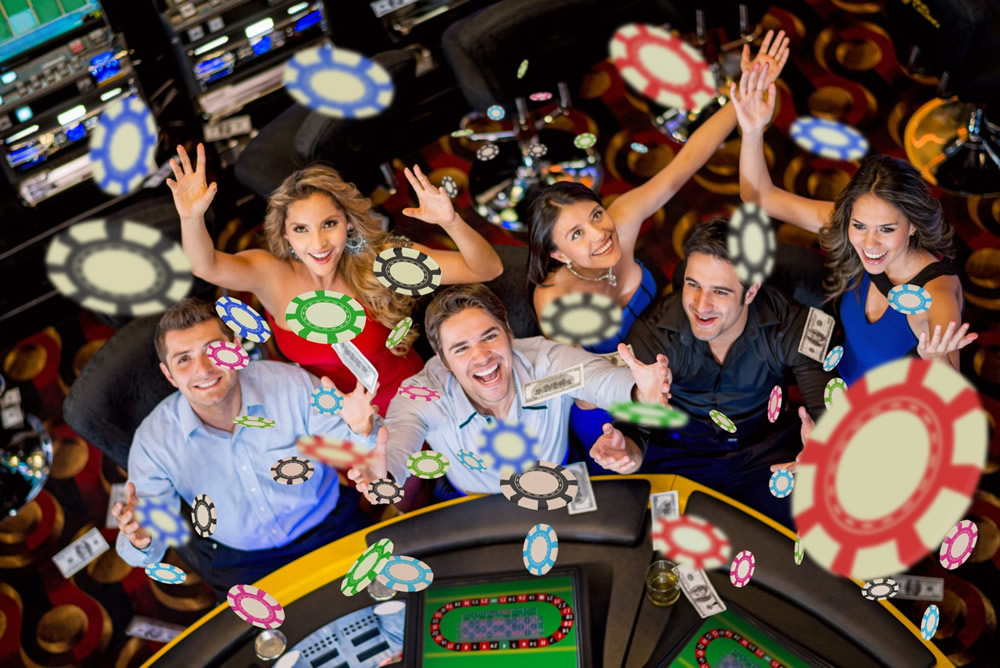
This phenomenon is further fueled by the brain’s reward system, which releases dopamine, a neurotransmitter associated with pleasure and satisfaction, during moments of risk-taking. As players experience wins, however small, their brains begin to associate gambling with a rush of euphoria, reinforcing their desire to return to the gaming floor or online platform for more.
The Role of Near Misses
Near misses are a significant psychological trigger in casino behavior, creating a false sense of accomplishment. When players narrowly miss winning, they often interpret this as a sign that victory is within reach. This misinterpretation can lead to prolonged gaming sessions, as players become convinced that their luck will soon change. The anticipation generated by near misses can be more compelling than outright wins, keeping players engaged longer.
Studies have shown that near misses can actually increase the likelihood of continued play, as they heighten emotional responses. The result is a gambling experience that feels both rewarding and frustrating, pushing players to try again in pursuit of that elusive win, often leading them deeper into the gambling cycle.
The Impact of Environment on Behavior
The casino environment plays a crucial role in shaping player behavior. From the vivid colors and sounds to the layout of the gaming floor, every aspect is designed to stimulate and entice. Bright lights, upbeat music, and the constant sounds of machines and chips create an immersive atmosphere that can easily overwhelm rational decision-making. This sensory overload can lead players to lose track of time and money spent, often resulting in excessive gambling.
Furthermore, the layout of casinos promotes circulation, encouraging players to move from one game to another without a clear sense of the time passing. This design keeps players engaged and can lead to impulsive betting, as the excitement of the environment overshadows the potential risks involved.
The Illusion of Control and Skill
Many players believe they possess a level of skill or control over games, particularly those involving strategy, like poker or blackjack. This illusion can be incredibly powerful, as it leads players to feel more invested in their outcomes. In reality, most casino games are based on chance, but the perception of control can drive players to make riskier bets, believing their decisions will influence the results.
This misguided belief in personal skill contributes to the ongoing cycle of gambling, where players rationalize their losses and continue to play in hopes of turning their luck around. Understanding this psychological phenomenon is vital for players to recognize when they may be falling into the traps set by casinos.
Discovering Responsible Gaming with Alawin Casino
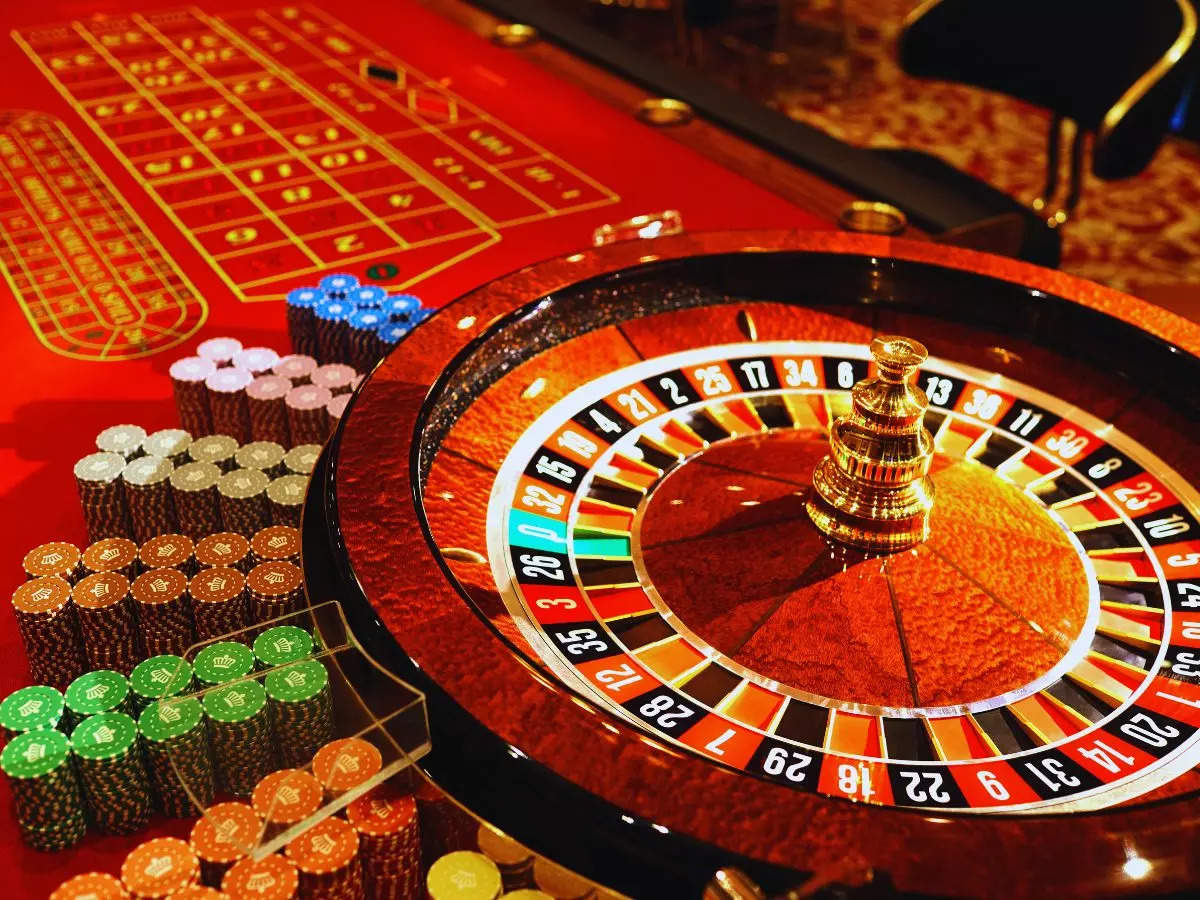
Alawin Casino stands out by promoting a responsible gaming environment while offering a thrilling gaming experience. Understanding the psychological triggers behind casino behavior allows players to approach gaming with awareness and caution. With a vast selection of games and an enticing welcome package, Alawin encourages players to enjoy their favorite activities while remaining mindful of their limits.
The platform emphasizes the importance of responsible gaming, providing resources and support to assist players in maintaining a healthy relationship with gambling. By fostering an engaging yet responsible atmosphere, Alawin Casino prioritizes player well-being while delivering an exhilarating gaming experience.




 hello@maiduyspacy.com
 258 - Lý Thường Kiệt - Phường 14 - Quận 10 - TP.HCM